We are living in unprecedented times. The Covid 19 pandemic has brought about a once in a lifetime shock to global markets, with some industries taking a significant hit while others continue to thrive. With that being said, here are some of the biggest winners and losers of the Covid Era:
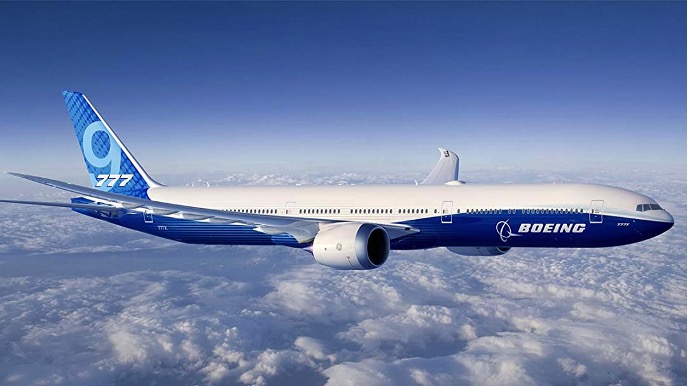
The entertainment and airline industries are undoubtedly amongst those who have lost the most as a result of the pandemic. By April 2020 global air passenger capacity was down 91%, mainly due to government restrictions on travel, and the effects were quickly seen across the industry. American aerospace manufacturer Airbus made a net loss of €481 million in the first quarter of 2020 due to significantly reduced demand for jets. IAG, owner of airlines such as British Airways and Iberia, reported a loss of €4.2 billion in the first half of 2020 as passenger numbers collapsed. It wasn’t long before this effect was felt by the workers; by July IAG was set to cut 12000 jobs in order to reduce costs while in June, Airbus committed to cutting 15000 jobs (15% of its workforce). The effects are set to be long term with IAG’s chief executive anticipating that passenger demand won’t return to pre-pandemic levels until 2023.
The effects have been seen in other areas of the entertainment industry with the three largest cruise companies, for example, seeing a 70-80% fall in their share prices as early as April 2020. Consumer optimism is low in the cruise industry, with potential customers seeing cruises as a hotbed for virus transmission (the widely publicised Grand Princess debacle certainly didn’t help) and the industry is likely to see significant long-term impacts.
The retail sector has also taken a big hit during the first and second lockdowns, with 780000 jobs retail jobs lost in the three months from June to the end of August. Giants such as Debenhams and the Arcadia group (owns Topshop/Topman, Dorothy Perkins, Burton Menswear and more) collapsed during the later months of 2020. Both companies failed to gain a sufficient online presence to offset lost revenue from in-store sales, losing market share to competitors with larger online revenue (such as Asos, Primark and H&M). Asos seems to be the biggest winner amongst the online fashion retailers, reporting a 329% rise in pre-tax profits from £33 million to £142 million for the year to August 2020. Asos acquired Topshop and other Arcadia group brands for £265 million in February 2021 whilst Boohoo bought Debenhams’ brand and website (but none of the stores or workforce) in a £55 million deal in January.

Unsurprisingly, the biggest winners during the Covid pandemic are the big technology companies. Major tech firms added a combined $163 billion to their market capitalisations as of October 2020. Many such companies have been put in an advantageous position due to the stay-at-home environment, with YouTube seeing a 32% increase in ad revenue over last year. Facebook also saw a 29% increase in net profits year over year in the third quarter, and Amazon benefitted greatly from the pandemic boost to online shopping, tripling its third quarter net income to $6.3 billion. But the pandemic’s biggest winner is undoubtedly Zoom. Stealing market share from bigger players such as Skype, Zoom saw a 30-fold increase in its users (up from 10 million to 300 million) in April 2020 and it is only continuing to grow; when Zoom released its IPO last year, it was valued at $15.9 billion and as of June 2020, that number has jumped to $58 billion.
But here’s one winner you may not have expected: Covid 19 has led to increased revenues to the Tobacco titans British American Tobacco and the Imperial Tobacco company. Many predicted a fall in smoking, considering the effects of Covid 19 on those with weakened respiratory systems. However, in reality, Covid 19 has seen a shift in consumer behaviour towards the consumption of cigarettes, due to increased stress levels amongst consumers. Imperial reported a rise in Tobacco revenue from £31.59 billion to £32.56 billion for the year to September 2020.

The overall message seems to be that ‘in-person’ industries have declined whilst online business has thrived; these results won’t have been overly surprising to many people. The shift from offline to online has been happening for years now, and Covid-19 has only acted an accelerator to this process. My question is: In the next 50 years how will Covid-19 be remembered? Will it solely be remembered as the disaster that brought about the worst global recession in close a century? Or could it be seen as one of the key periods of technological development in the 21st century (much like the World Wars are seen now) causing a drive for efficiency and advancement that wouldn’t otherwise have been seen for years? Only time will tell.