
Did you know that you are funding wars, encouraging child labour, and quite possibly denying people of their basic human rights? You probably don’t and this is a major problem with our technologically advanced world we live in today.
The concept of scarcity states that, as humans, we have unlimited wants and limited resources to satisfy them. One want that has really turned into a need, is our reliance on technology and the associated materials that manufacturing this technology requires. This problem of unlimited wants has led to resource depletion to be a serious problem for our world. In 2019, resource consumption was higher than the past 50 years - slowed down in 2020 due to the coronavirus pandemic. So, what must we do to get the resources and minerals we so desperately want to supply our growing population? For those controlling these supply chains, the answer is often to keep mining. The problem is where and who is this affecting?
When you think of the word cobalt, you may think of deep blues and maybe dappled greens but when it’s dug out in its ore form, there’s barely sign of these rich hues. It takes the form of a brown mineral; a dirty rock - however it is an important resource that everything we use contains. Cobalt is used in medicine for imaging, cancer radiotherapy and sterilizing medical equipment. It’s what’s driving the future to a green world by being a major component of the lithium-ion battery that power electric cars and stores electronic energy from solar, wind, and other renewable sources. Due to this increase in the use of cobalt, many have wondered if it is ethically sourced as well (especially yours truly). this is where the ethical lines begin to blur.
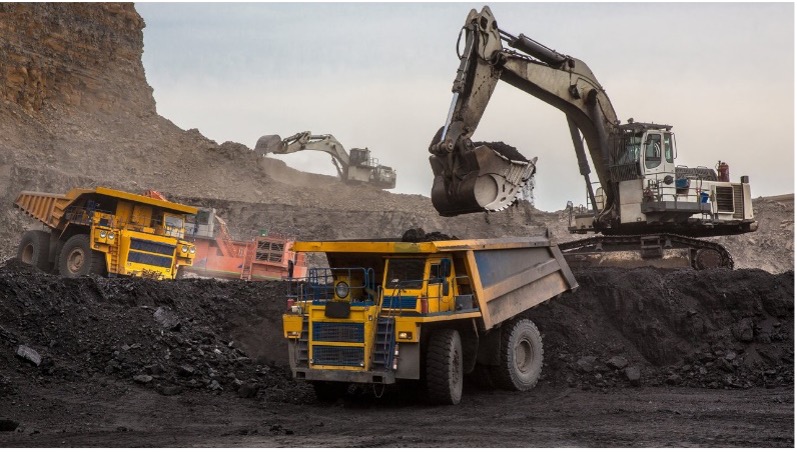
Approximately 70% of the worlds cobalt is located in the Democratic Republic of the Congo (DRC), a central African country, and 15-30% of the cobalt is produced in small-scale set-ups known as artisanal mines. Children as young as 7 years old work in hazardous conditions without protective gear to source our ongoing industrial revolution. It is unclear how many children are working in the mining sector – partly due to the lack of a uniform legal definition of ‘child labour,’ which would allow for comparison among different countries. For years, human rights groups have documented severe human rights issues in mining operations. These human rights risks are particularly high in artisanal mines in the DRC, a country weakened by violent ethnic conflict, Ebola, and high levels of corruption. Child labour, fatal accidents, and violent clashes between artisanal miners and security personnel of large mining firms are recurrent.

You might be wondering that to simply solve the problem is to move the mines to an area where the mining of cobalt is more regulated. Cobalt mining is also prevalent in Australia where cobalt is removed as a by-product of nickel and copper mining. Even though the mining in Australia is highly regulated, the method of cobalt mining here comes with a heavy price tag that simply isn’t sustainable for the constant use of cobalt, driving up prices of all electronic devices. Also, there is the problem that artisanal mines can’t simply be shut down. These mines provide a living to millions of Congolese who live in extreme poverty, so this is neither feasible, nor desirable from a development point of view.
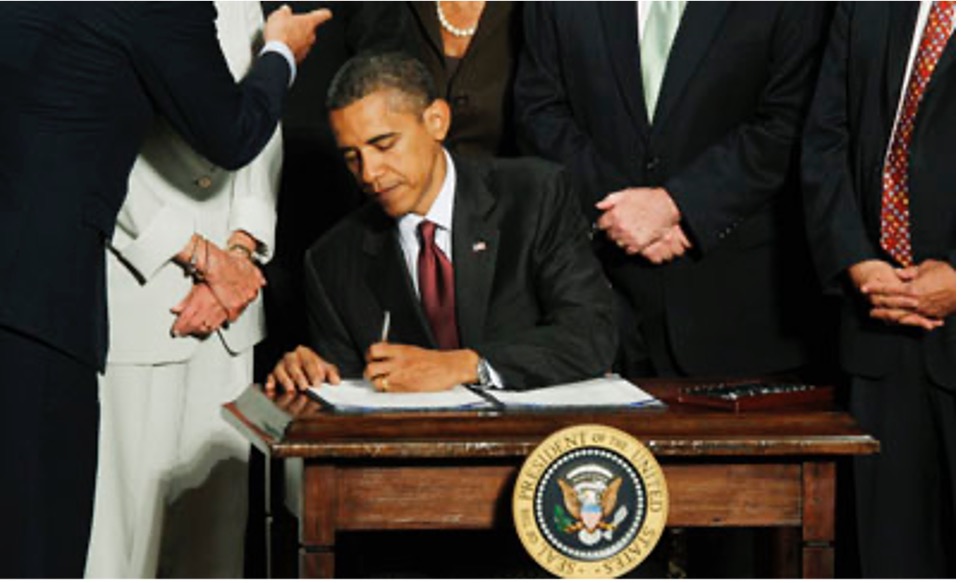
However, this didn’t stop Barack Obama, the former US president, while he was in his presidency, to try - and ultimately fail – to solve this problem. His legislation required US firms to ensure they are not using ‘conflict minerals’ (including gold, tungsten, tin, tantalum, and cobalt) from artisanal mines controlled by Congo’s militias buy cutting off their mining profits. However, this caused millions of miners and families to fall deeper into poverty when, to comply to the law, Congo’s government shut down the mining industry for months. Many miners had to find other ways to survive, including joining armed groups, provoking an increase in war activity. As you can see, this law backfired terribly. Another problem that emerged was that, though minerals targeted by Obama’s legislation made it more difficult for militias to tax, they instead shifted to looting civilians and to gold mines which were not included in his legislation. Also, because gold is much more valuable it is easier to smuggle small amounts because small amounts of gold are financially worth smuggling compared to cobalt.
It isn’t just governments that are trying to reduce the amount of cobalt in production, but individual companies are taking it upon themselves to reduce the amount of cobalt in their products.
Tesla has been slowly reducing the amount of cobalt in their batteries since the founding of the company for the last 17 years. In the Tesla Model 3 (75Kwh model) there is approximately 4.5kg of cobalt in the battery. At the moment, Tesla claims to contain the least amount of cobalt in any electric vehicle on the market and announce at Tesla’s Battery Day 2020 that they won’t have any cobalt in their batteries but didn’t give a timeline when this will happen.
So, what can we do to solve this problem if trying to solve this problem causes more wars but ignoring it denies children of basic human rights? It’s a question that is going to be there for a long time to come, and maybe never answered at all.
