I believe that if a particular topic is relevant to at least 80% of the population, it should be mandatorily taught to all students. And if a particular topic is not, it should not be taught.
I’ve always considered this to be common sense, and yet everywhere I look I see crucial subjects missing from our curriculum. Instead of being taught how to cook a good meal, we’re taught the chemical reactions of boiling an egg. Instead of being taught how to fix a broken car, we’re taught about the friction under its wheel. Instead of being taught of the global political climate, we’re taught trigonometry. And, above all else, we’re not taught how to manage our money.
Here’s the rub: YOU as an individual are responsible for your own finances: your retirement, your investments, your savings, etc. That’s fantastic in that you’re an independent adult, but only if you can manage and understand the world of finance. So education about this vast field of opportunity is vital, but it’s just not there.
What is the result? Ever-growing debt plagues the nation, for one. The number of payday loans continues to grow, especially during the Covid-19 pandemic. These loans are designed to trap people in cycles of debt via high interest rates on payments. Furthermore, almost a third of British workers live paycheck-to-paycheck, not saving any of that money due to lack of choice and financial literacy. Over a quarter of employees don’t set aside even any savings each month, and only 7% save over £1000. This then leads to reliance on state pensions in later life, which accounts for £91.6 billion in YOUR tax revenue (2018).
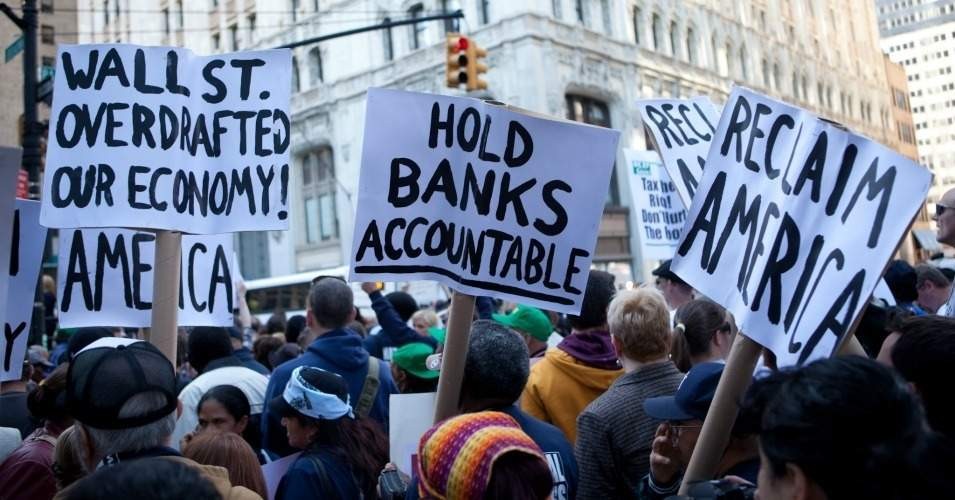
And that’s not even getting into reckless mortgages and their role in the 2008 financial crisis. Why couldn’t the otherwise educated citizens who took out these large mortgages not assess that they couldn’t be paid? The unfortunate answer is that no one ever taught them good financial sense, so they rely on banks and brokers (who have an incentive to sell them a loan even if it puts them under huge financial pressure).
A final example that touches me deeply: Jerome Rogers’ financial arrears started with two £65 traffic fines, one for being in a bus lane a few minutes before the restrictions ended, the other for making a prohibited right turn. Within a matter of months, those two penalties spiralled into a debt of more than £1,000 –leading to bailiffs clamping the motorbike that was essential to Jerome Rogers’ work as a courier delivering blood and other medical items to hospitals. He took his own life shortly afterwards.
To conclude, lack of mandatory financial education in the core of the British curriculum has had vast socio-economic costs; the reason this subject continues to be avoided by policymakers should be lost on all of us.