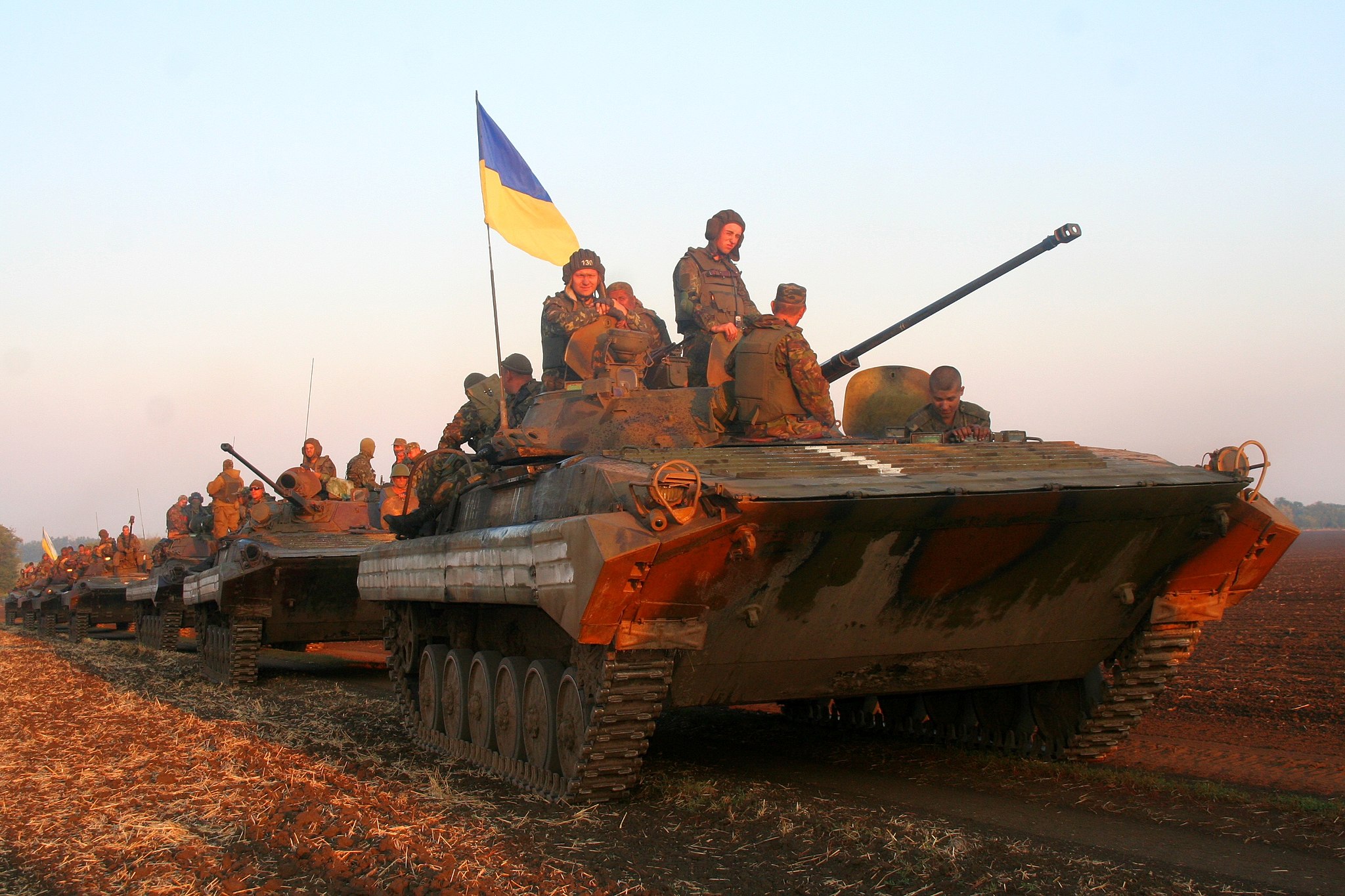
In early December of 2020, investigators in the US uncovered one of the largest and most significant cybersecurity breaches in modern history. The revelation: suspected Russian state backed hackers had access to sensitive government and business networks in the United States, United Kingdom, and other NATO allies for a total of 9 months from March 2020.
The sophisticated attack, named ‘SolarWinds’ after the company whose software it exploited, not only exposed vulnerabilities in the security of US digital systems, but also signals malignant intent by Russia and China who are ready to use new cyber weapons against the west. Moving towards a new ‘cold war’ would appear imminent, but the geo-political situation is very complex.
Boris Johnson said we “have a balance to strike”, and indeed, there is a clear conflict between economic objectives and increasingly fraught diplomatic relationship with China and its allies.
China is set to overtake the United States as the world’s largest economy by 2028 after a comparably strong economic response to the COVID-19 pandemic, and reliance on the country as a trading partner is only ever increasing due its advanced manufacturing base. It is the only major economy in the world to record positive economic growth in 2020 (2.3%).
The European Union and China recently agreed in principle on a ‘Comprehensive Agreement on Investment’, giving EU companies greater access to the Chinese market with a more level playing field. Not only would this be one of the biggest agreements China has signed with a third country, but it follows years of trade disputes around dumping and aggressive state subsidies that have prevented a closer relationship. While the United States’ position on the matter remains volatile and likely more opposed to more economic co-operation even post-Trump, who notably waged many trade disputes with the country, the European Commission clearly plans to build on the inter-continental co-operation seen in the COVID-19 pandemic due to the huge opportunities it would present to the European economy.
Yet Beijing has been prepared to push the boundaries of what Western leaders will tolerate, with countless human rights abuses from the heavily documented Uyghur re-education camps to the clamping down of democracy in Hong Kong. Xi Jing Ping’s ever growing global might has given him the ability to expand his authoritarian state without the risk of serious economic or military sanctions from Western adversaries.
On the 22 March 2021, we saw the first multilateral, co-ordinated action by the US, UK, EU and Canada against China since 1989, including asset freezes and travel bans for some officials. While the sanctions are long overdue and relatively minute given the accusations levelled against the country, the move has heavily damaged chances of the EU’s planned investment agreement. Beijing has acted swiftly, imposing sanctions of EU officials, including 5 MEPs, demonstrating the CCP is not afraid to use its totalitarian measures on a global scale in retaliation.
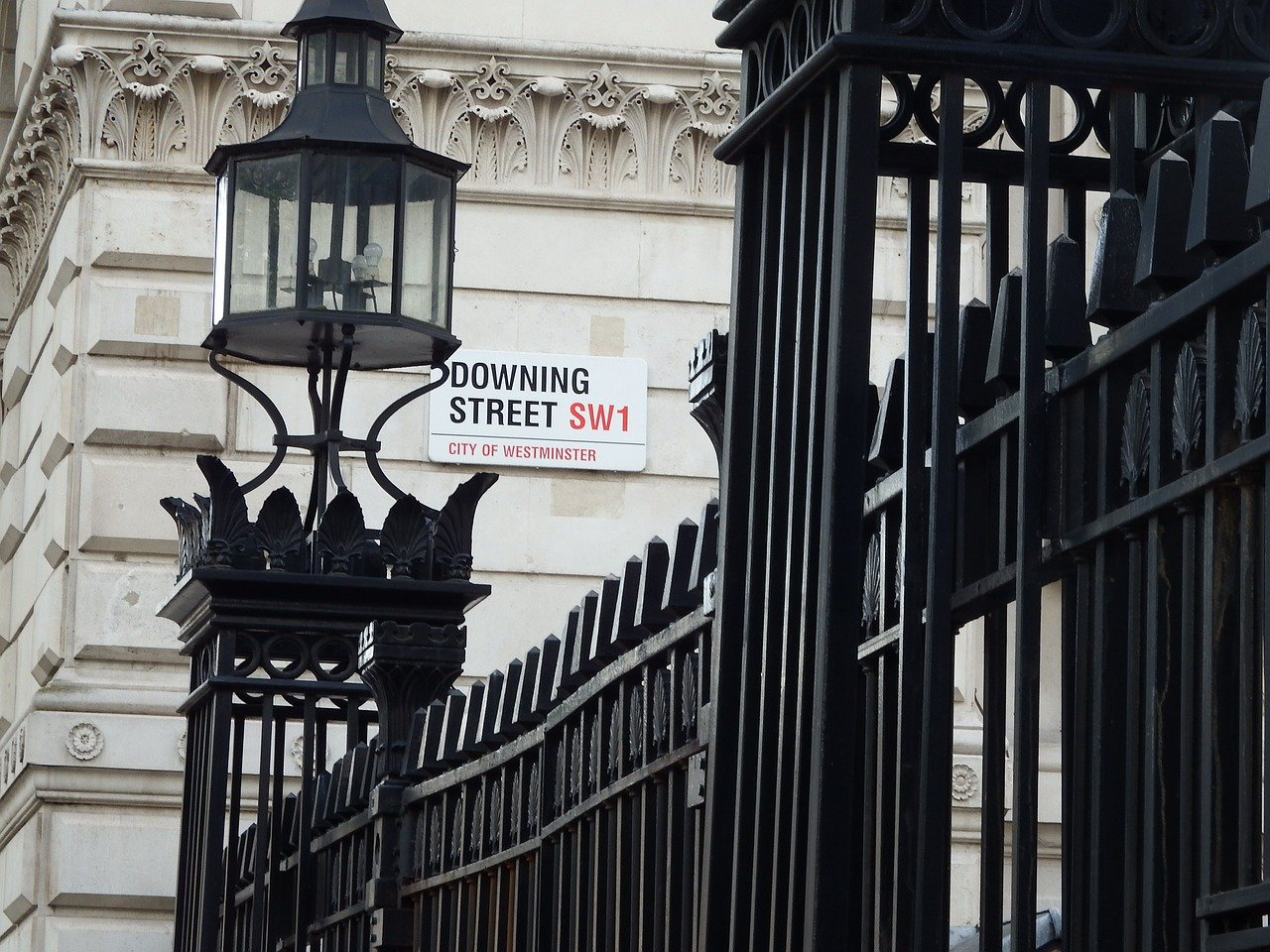
World leaders have been under increasing pressure to create an effective strategy to combat this shift in power, and Downing Street’s recent integrated review of defence and foreign policy includes a 40% increase in the Trident nuclear warhead stockpile cap from 180 to 260; an apparent response to the threats posed by China and Russia. In contrast to the United States, the UK Government has also declared its intent to use nuclear weapons if faced with attacks with “emerging technologies that could have a comparable impact” such as cyber-attacks, rather than solely as a deterrent.
However, this announcement ends a 30-year commitment to gradual nuclear disarmament and has been described as a “slap in the face to the 190 other members of the treaty” by David Cullen, the director of the Nuclear Information Service. Not only is this an incredibly provocative move to combat an already increasingly unstable situation, but it undermines the nuclear non-proliferation treaty at a time where Russia and the United States have themselves agreed to extend their nuclear arms control treaty.
This not the first time the United Kingdom under Boris Johnson has attempted to jeopardise its relationship with foreign allies, recently intending to break international law by unilaterally amending the Northern Ireland Protocol agreed with the European Union. The consistent disregard to international agreements by the Government has eroded trust in a UK that not only hopes to reach trade deals with other countries post Brexit, but also negotiate with perceived adversaries. This issue is that in this kind of global conflict, it is incredibly counteractive to make a move that even Russia says “harms global stability and strategic security”.
At a time when Government finances are already tight due to the COVID-19 pandemic, it will be increasingly hard for ministers to defend an increase in the budget of what was already a multi-billion-pound plan to renew Trident voted on in 2016 once public support programs such as the furlough scheme are inevitably cut. This government has been known for frequent U-turns, although this time is seeming unlikely given that the plans are part of the UK’s long term post-Brexit ambition to increase its military power.
The current UK Government has been consistently boisterous, sometimes as far as simply un-diplomatic on the international stage; and while Boris Johnson tries to market the country as “global Britain”, it is hard not to see a nation consumed with post-colonial angst, trying to cling on to the global influence its current leaders helped give away in 2016. It is clear that these threats are not going away, and with Russia already seemingly escalating tensions by expanding its military presence on the border to Ukraine, Western powers must tread carefully to safeguard peace and not destroy trust between themselves.