Asteroid mining as a concept has existed for only eight years, having been conceptualised by two entrepreneurs as the future of commercial space programs. However, following the failure and subsequent acquisition and dissolution of the first firms to try it (Deep Space Industries and Planetary Resources) the practicality of mining in space was brought into question. Could asteroid mining be the future of the primary sector, or was it just some unrealistic dream thought up by idealists?
Asteroids are rich with minerals and metals, but extraction of these is a complicated process. It requires scanning near-Earth asteroids to find which have the highest metal content, flying a rocket at least ninety-two million miles to the asteroid, bringing it back to Earth and setting up a mining station in orbit in order to extract the ores. It is not feasible with our current technology. The infrastructure to mine the asteroids doesn’t exist, and no rockets humans have created would be able to bring an asteroid back to Earth that was large enough for the profits from it to be greater than the costs associated with the research and development and the cost of building and launching the rocket.
This makes it hard for startups to get the funding required as potential creditors would, at best, only see a return in the long run, and at worst, never see a return. This is because asteroid mining would take a predicted fifteen years to start, and the venture capital required to get the startups off the ground would need to see returns in ten. This made venture capital incompatible with plans for asteroid mining.
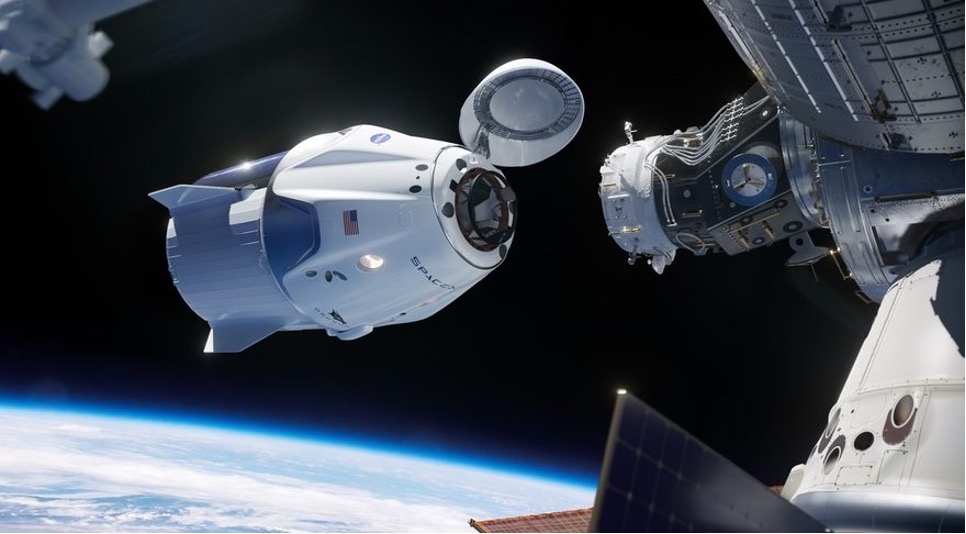
Furthermore, with the rapid growth the space industry has seen in the pasts five years with the emergence of commercial crew programs, plans to return to the moon, and the launch of space-based telecommunication satellite constellations such as SpaceX’s Starlink - which itself has seen over a thousand satellites launched in the past three years - the venture capital could be better spent on other firms in order to maximise returns from a smaller risk in the short-term. The risk to reward ratio of asteroid mining is too great, so it may never become viable.
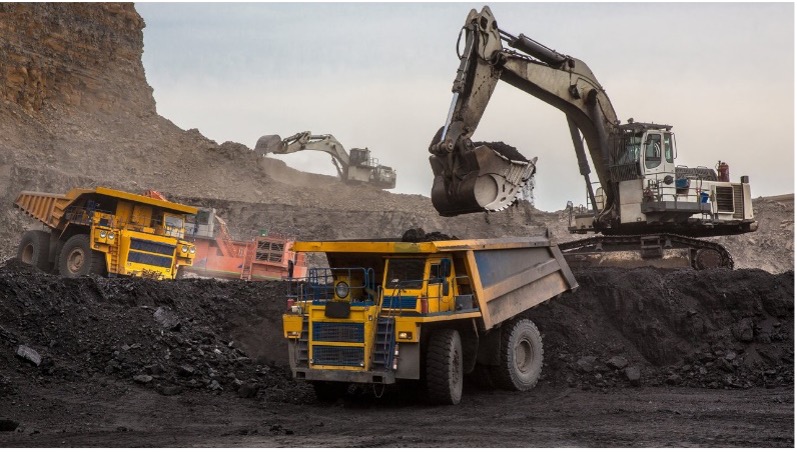
In addition, since asteroid mining would require automation, this replacement of Earth-based min-ing would see a greater increase in unemployment in the primary sector, notably for miners, and regions that still rely heavily on the sector could see mass structural unemployment, leading to low economic growth, and greater income inequality in the region.
However, as humanity further depletes Earth’s natural resources in the future, extracting re-sources from our home planet will progressively become much more expensive, meaning that the profit margins of firms operating in the primary sector will fall. This will inevitably lead to structural unemployment for primary sector workers in the future, regardless of whether humanity switches to mining asteroids as firms go out of business. This also makes asteroid mining more economi-cally viable than mining on Earth as the supply of precious metals in asteroids is limitless as far as humans could use the resources. This means that there will not be the issue of rising costs of production as there is with Earth-based mining, when it gets harder to extract metals as the supply becomes depleted. Since it could take years from when asteroid mining is seriously con-sidered to when it becomes the largest source of raw materials for Earth, workers could have more time to reskill and find new jobs compared to if they were to become unemployed as a re-sult of mining on Earth becoming too costly.
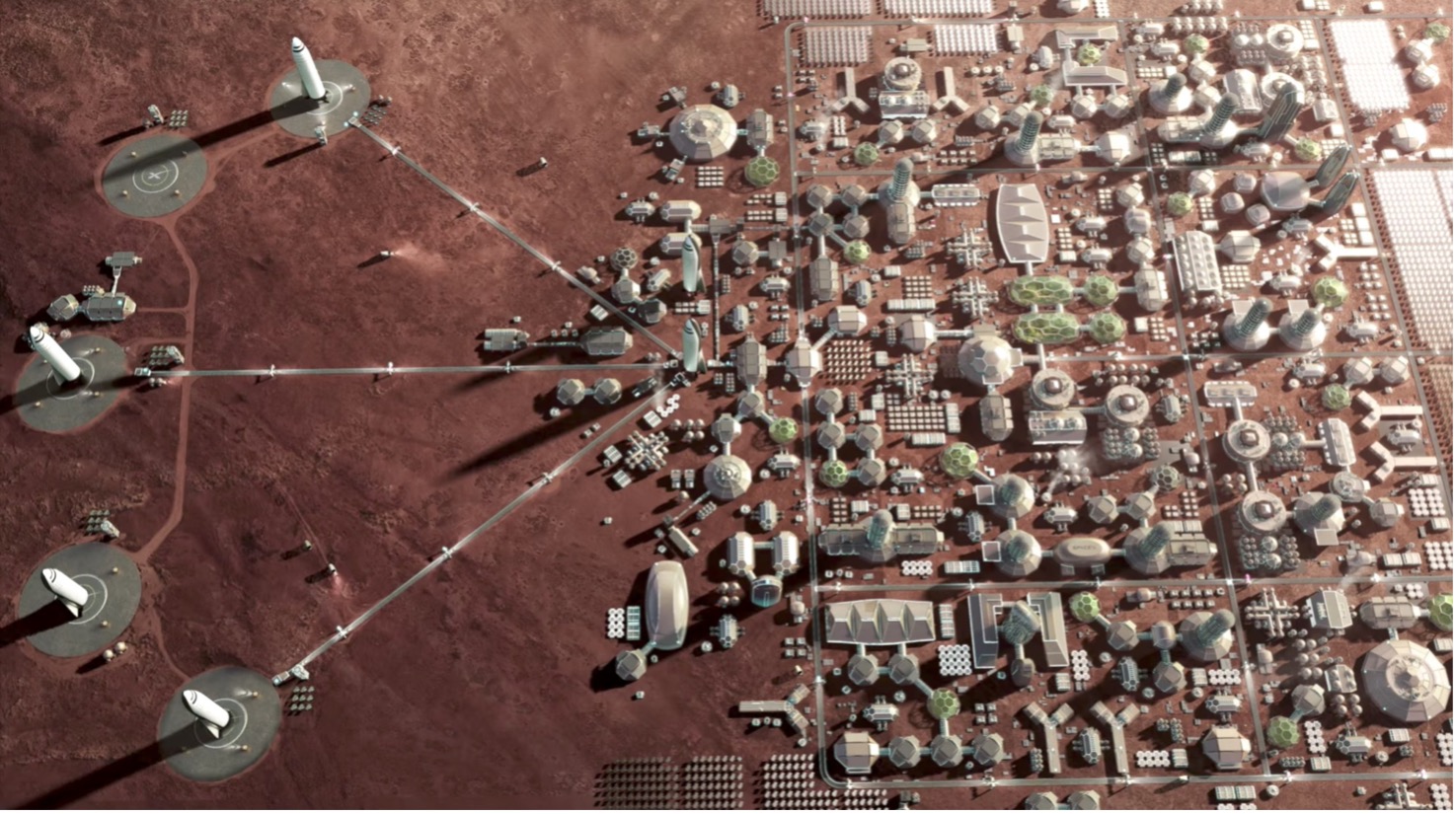
Additionally, as humans become more space faring and potentially start inhabiting other planets and moons, boosted by firms such as SpaceX, the demand for scarce resources in space grows, and the cost of getting into space falls. This could cause an increase in the price of pre-cious metals like platinum, which are found in abundance in asteroids. This increase in price would see more firms attempting to enter the market as the profit incentive grows. As humanity extends its reach deeper into the solar system, the cost of transporting these raw materials from Earth increases, but simultaneously, the cost of transporting extracted materials from an asteroid to a potential base on Mars decreases. This will make asteroid mining a more economically viable source of raw materials as the profit incentive becomes relatively greater. This in turn will make the cost of mining asteroids in orbit around Earth cheaper, as there will have already been investments into the capital required to extract the metals in space, so the ma-chinery can be implemented around Earth.
Another effect could be to eliminate the scarcity of metals. A good example of this is the asteroid 16 Psyche, which has enough iron-nickel to satisfy humanity’s demand for millions of years. Since the supply would be enough to make metals essentially unlimited, they would no longer be sub-ject to scarcity. Normally, this means that assuming a firm did not create a monopoly on the sup-ply of metals extracted in space, the price per kilogram would fall to nearly zero. However, since there are very high fixed costs associated with the research and development of rockets and relatively low variable costs associated with building space probes and launching the rockets, a natural monopoly may form. This is because as total revenue increases with more asteroids mined, the marginal cost decreases, so the firm benefits more from economies of scale. Moreo-ver, despite the U.S. Commercial Space Launch Competitiveness Act of 2015, which gave pri-vate firms sole ownership of any resources extracted in space, the high barriers to entry into the market as a result be the high fixed costs may make it more likely that a monopoly will form in the market. This firm would likely be an existing launch service provider, such as Jeff Bezos’ Blue Origin or Elon Musk’s SpaceX. The competition from Earth-based mining would mean that the firm with a monopoly on space-based asteroid mining would be unable to largely influence the prices in the market in order to increase total revenue.
Since the profit from the first asteroids before the market is flooded with metals could be worth trillions of dollars, there would be a very large profit incentive for firms to be the first to start min-ing operations on asteroids. The process of mining and transporting asteroids could become fully automated, so the costs associated with getting the materials to Earth would fall, meaning de-spite the fall in the price of the metals, there would still be a profit incentive for firms supplying them. This fall in the prices of raw materials would also mean the production of goods that used the precious metals, such as mobile phones and computers, would be less expensive as the costs of production fell. This could lead to technological advances as computers become more wide-spread and more powerful for the same price.
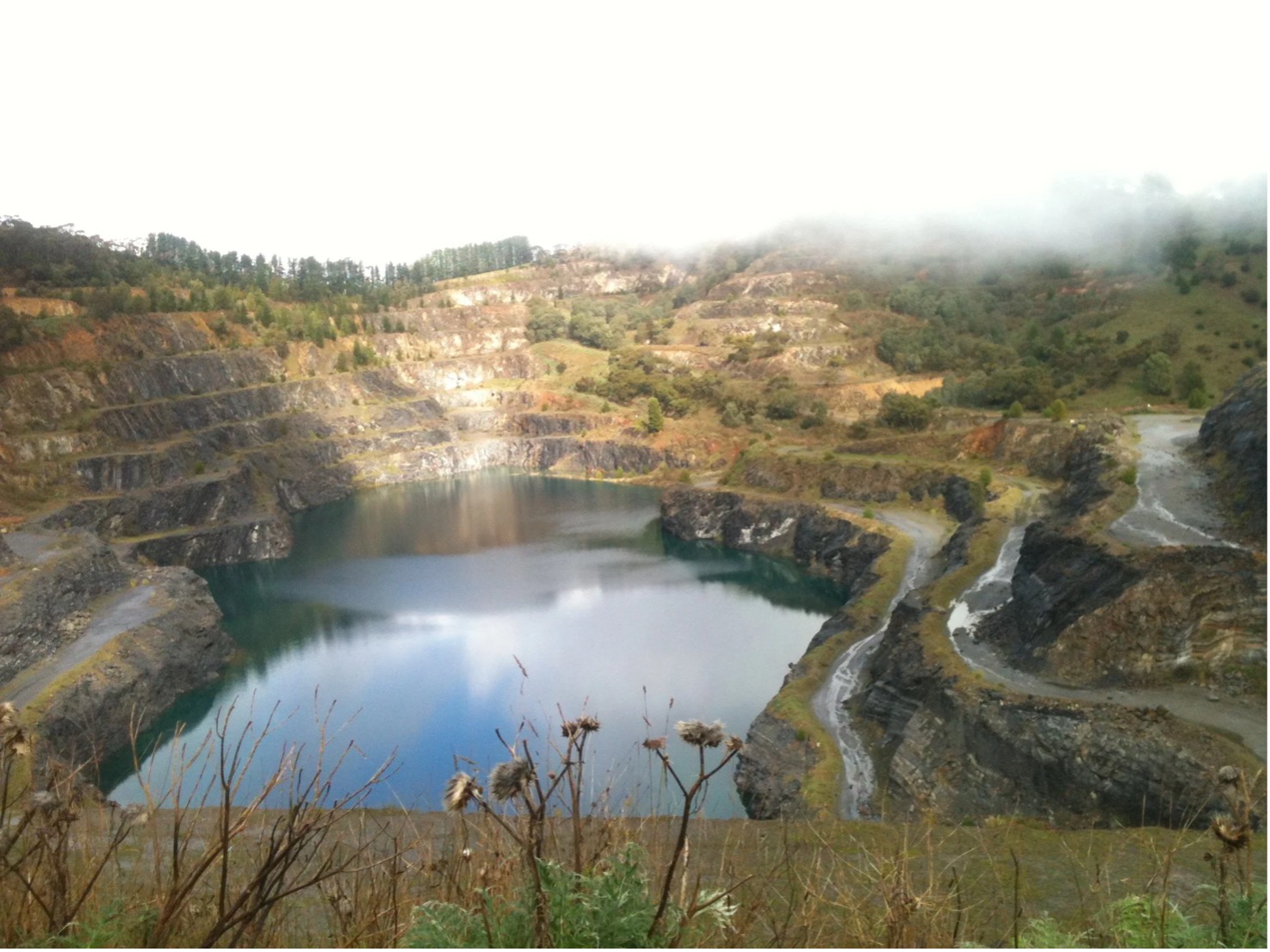
What effect would this have on society in general? As the extraction of metals in space gets less and less expensive due to advancements in technology, there will be a large switch from extract-ing metals on Earth to instead supplying humanity’s precious metal needs from space. This will reduce the pollution caused by the extraction of metal as mining on Earth ceases, reducing the size of the negative production externalities and thus making society more allocatively efficient. Externalities are impacts on people outside the market, such as people living around Heathrow airport facing increased air pollution as a result of air travel. The people living around Heathrow aren’t the ones flying yet face the negative impacts as a result of the aviation industry. Similarly, those living around mines are not the ones using the resources extracted yet may face the air and water pollution and damage to the landscape that comes from the extraction of these re-sources.
Overall, asteroid mining benefits consumers, producers and society on the whole. This is be-cause consumers will see a fall in their cost of living as a result of cheaper raw materials for goods and services that are consumed. Producers will have access to a new market so there are more chances to make profits, and they will also see falls in their costs of production. Finally, a reduc-tion in pollution will reduce external costs to society, meaning there is a smaller welfare loss to society as a result of negative production externalities.
Workers may lose out, since miners may become unemployed and certain regions which rely on mining will see slumps in the economy, which could lead to cyclical unemployment in other areas of the economy. However, since asteroid mining is not viable with current technology and may not be for some time, workers have greater occupational mobility, so will have more time to re-skill before the effects of asteroid mining are seen in the labour market. This reduces the impact on workers and makes structural and cyclical unemployment as a result of asteroid mining much less likely. This means that the effects on workers of switching to asteroid mining as the main source of precious metals may be less harmful than continuing to deplete Earth’s limited supply.
Asteroid mining is not currently economically viable, but with large investments into the ever-growing space sector, it could kickstart our aim of reaching the stars.